
Lesson 3
The First Farmers
This week, learners consider what would happen if, instead of searching for food every day, people figured out how to grow it right where they lived. They learn how early people domesticated plants and animals, grew surplus food, and began settling in one place instead of moving with the seasons. Students discover how these first permanent settlements slowly grew into villages, and how steady food supplies eventually let some people take on jobs beyond farming.
KEY IDEAS
- Farming meant people could grow food instead of only finding it in the wild.
- Domesticating plants and animals took a very long time.
- Surplus food allowed people to store extra and stay in one place.
- Permanent settlements grew as farming let people stop moving with the seasons.
- Farming eventually allowed some people to take on jobs other than growing food.
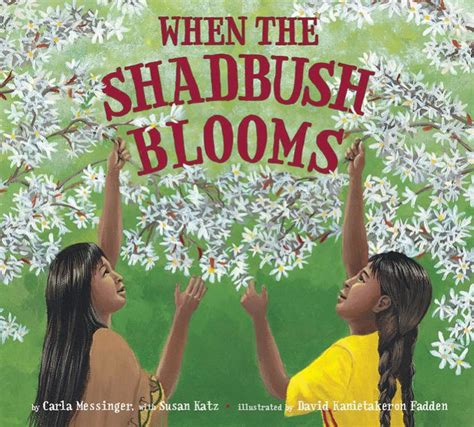
SUGGESTED PICTURE BOOK
When the Shadbush Blooms by Carla Messinger and Susan Katz, illustrated by David Kanietakeron Fadden
HANDS-ON PROJECT
Growing real seeds in a cup to talk about planting, waiting, and surplus, plus a sorting game of "wild plant" vs "farmed plant" cards.
VOCABULARY
- Agriculture – growing plants and raising animals on purpose for food
- Domesticate – to tame or breed wild plants and animals so people can grow or raise them
- Crop – a plant grown on purpose, usually for food
- Surplus – more of something than is needed right away
- Settlement – a place where people live and stay for a long time
DISCUSSION QUESTIONS
- What do you think was the biggest benefit of farming?
- Why might having extra (surplus) food change how people lived?
- What job might you have wanted in an early farming village?
- If you had to choose one plant to grow to feed your family, what would you pick?
- What do you think was harder, hunting for food or farming for food?